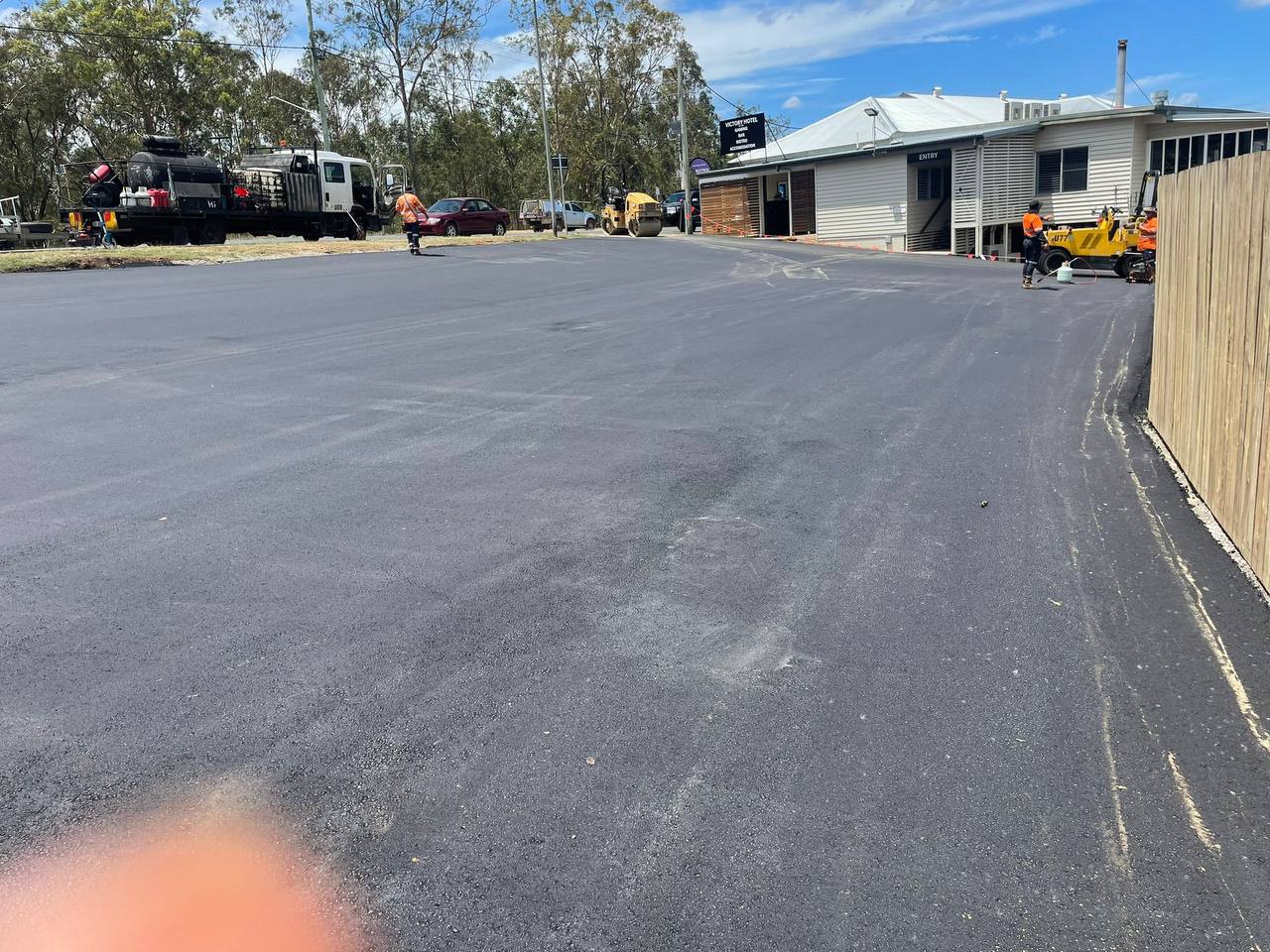
Asphalt is a popular choice for driveways, access roads, car parks and other paved areas because it provides a smooth, durable surface when installed correctly. However, even a well-constructed asphalt surface can deteriorate prematurely if water is not directed away effectively. Poor drainage can contribute to cracks, potholes, surface deformation and damage to the underlying layers.
For property owners in Yatala, QLD, Australia, effective drainage is an essential part of creating asphalt surfaces that remain functional and reliable over time. Yatala Surfacing Solutions understands the importance of combining quality surfacing with suitable drainage to help protect paved areas from water-related damage.
Why Drainage Matters for Asphalt Surfaces
Asphalt is designed to withstand regular traffic and exposure to the elements, but water can weaken the pavement structure when it collects on the surface or penetrates through cracks and joints.
When water enters the underlying base, it can reduce the material’s stability, particularly if the ground becomes saturated. Under repeated vehicle movements, weakened areas may begin to deform, crack or develop potholes.
Standing water can also affect the usability of a driveway or access road, creating slippery areas and making the surface less comfortable to use. Effective drainage helps move rainwater away from the pavement, reducing prolonged exposure to moisture and supporting the long-term performance of the asphalt.
Common Drainage Problems That Affect Asphalt
Understanding the signs of poor drainage can help property owners identify issues before significant surface damage develops.
Standing Water and Puddles
Puddles that remain long after rainfall may indicate that the surface does not have adequate falls or that water is unable to reach a suitable drainage outlet. Low spots can develop because of uneven construction, ground movement or gradual pavement deformation.
Repeated pooling should not be ignored. Prolonged exposure to water can increase the likelihood of moisture entering existing cracks and weak points.
Blocked or Inadequate Drainage Outlets
Leaves, sediment and other debris can obstruct drainage channels, pits and outlets. When water cannot flow away freely, it may collect along the edges of the asphalt or across the paved area.
Drainage systems should be designed to suit the size, layout and expected water flow of the site. Keeping accessible outlets clear is an important maintenance task, while recurring overflow may indicate that the drainage arrangement needs professional assessment.
Water Entering Through Cracks
Small cracks can provide a route for water to reach the layers beneath the asphalt. If the underlying materials become weakened, traffic can place additional stress on the affected area, causing cracks to widen or the surface to break apart.
Repairing visible cracks and addressing the drainage issue that contributes to the damage can help reduce the risk of recurring deterioration.
How Proper Drainage Should Be Designed
Effective drainage begins before the asphalt is laid. The ground must be prepared properly, the pavement layers need suitable support, and the finished surface must direct water towards appropriate collection points or safe discharge areas.
Correct Surface Falls
Asphalt surfaces should be graded to guide rainwater away rather than allowing it to collect in depressions. The direction and degree of fall depend on the site’s layout, the type of pavement and the available drainage arrangements.
Careful grading is particularly important for driveways, car parks and access roads, where vehicles need a consistent surface and water must be managed without creating new pooling areas.
A Stable and Well-Prepared Base
Drainage is not only about what happens on the surface. The layers beneath the asphalt must also be properly prepared and compacted to provide stable support.
If the base is weak or waterlogged, the pavement may settle unevenly under traffic. Appropriate groundwork and drainage planning help reduce the risk of movement that can eventually lead to cracking and surface failure.
Suitable Drainage Channels and Outlets
Depending on the site, drainage may involve surface channels, grated pits, kerbside drainage or other suitable systems. The important consideration is that collected water has an effective route away from the pavement.
The drainage arrangement should account for the site’s shape, surrounding ground levels and the amount of runoff expected during rainfall. Water should be directed to an appropriate outlet rather than towards buildings or neighbouring surfaces.
The Importance of Drainage in Yatala, QLD, Australia
In Yatala, QLD, Australia, asphalt surfaces need to cope with changing weather conditions, including periods of heavy rainfall. If water cannot drain away efficiently, it may collect on driveways, access roads and commercial paved areas, increasing the risk of surface deterioration.
Good drainage planning is therefore important for both new asphalt installations and existing surfaces experiencing recurring problems. A professional assessment can help identify whether standing water is caused by poor grading, blocked outlets, surface damage or weaknesses in the underlying pavement.
Addressing the cause rather than repeatedly treating the visible symptoms can help support a more reliable long-term result.
Maintaining Asphalt Drainage Over Time
Even a well-designed drainage system needs occasional attention. Leaves, dirt and other debris can gradually restrict water flow, while cracks and surface depressions may develop as the pavement ages.
Property owners can help maintain their asphalt surfaces by:
- Keeping accessible drains and channels clear of debris.
- Checking for puddles that persist after rainfall.
- Arranging repairs when cracks or potholes appear.
- Seeking professional advice if water repeatedly collects in the same location.
- Inspecting the surface after periods of heavy rain for signs of erosion or movement.
Routine maintenance cannot eliminate every cause of pavement deterioration, but it can help identify developing problems before they affect larger sections of the surface.
Professional Asphalt Surfacing in Yatala, QLD, Australia
A durable asphalt surface depends on more than the quality of the finished layer. Ground preparation, compaction, surface grading and drainage all contribute to how well the pavement performs under regular use.
Yatala Surfacing Solutions helps property owners and businesses in Yatala, QLD, Australia, consider the practical requirements of asphalt surfacing projects. Whether you are planning a new driveway or experiencing drainage problems on an existing paved area, professional advice can help identify suitable options for your site.
If you have noticed standing water, recurring cracks or drainage issues affecting your asphalt surface, contact Yatala Surfacing Solutions to discuss your requirements and arrange an assessment.
Conclusion
Proper drainage is essential for protecting asphalt surfaces from water-related deterioration. Effective surface falls, a stable base and suitable drainage outlets help prevent standing water from weakening the pavement and contributing to cracks, potholes and uneven areas.
For property owners in Yatala, QLD, Australia, combining sound drainage planning with regular maintenance can help preserve the performance and appearance of asphalt driveways, access roads and other paved areas. Yatala Surfacing Solutions can help assess your surfacing needs and identify practical ways to support a durable, well-drained result.
Call us on: 07 3113 9392
Click here to find out more about Yatala Surfacing Solutions
Click here to complete our contact form and see how we can help with your driveway needs.